
Flexible production tools in all implantable medical device materials
Authors
Bogusz Stępak, Katarzyna Kowalska, Dariusz Świerad, Yuriy Stepanenko, Michał Nejbauer
Publication date
Introduction
A recent report from the World Health Organization (WHO) identified that heart disease is the leading cause of death globally and that the rate of heart disease cases is rapidly increasing.¹ ²
Around 16% of deaths (8.9 million in 2019) are caused by heart disease and the number of people dying has increased by 2 million since 2000, with a further 6% of fatalities caused by strokes. In order to treat heart disease one of the most common treatments is to implant a small device, called a vascular stent, to maintain blood flow. Stents are also used for the biliary, urinary and gastro-intestinal tracts as well as the tracheal-bronchial tree.³
Stents have evolved significantly in the past two decades and many of them are manufactured by laser cutting and laser welding. In this article we investigate the different types of materials used in stents and how a single laser source can be used to machine all of the necessary materials.
The stent – miniature device saving lives
Since the advent of the vascular stent, heart disease has been successfully treated with minimally invasive surgery. According to reports, more than 965,000 angioplasties are performed each year in the USA alone, in this procedure a balloon is used to inflate the blood vessel – often this is accompanied by the insertion of a stent, in which case the procedure is known as Percutaneous Coronary Intervention (PCI). The stent market is divided into vascular and nonvascular stents with the vascular stents being by far the majority. Stents may be coronary or peripheral and there are some other non-stent implants like vena cava filters which are similar in manufacturing requirements⁴.
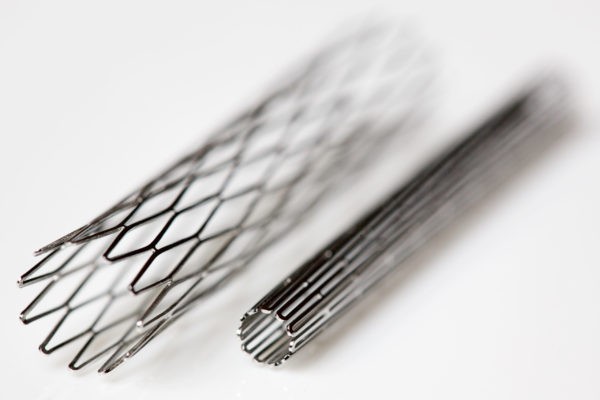
Figure 1. A vascular stent that expands once placed in the artery. Source: Zarathustra / Adobe Stock
Materials for stents
As stents are implanted in the body, there are a variety of requirements that must be met. Firstly, it is essential that they are made from a bio-compatible material which will not cause a reaction with tissue and blood. Secondly, stents are implanted for long periods of time and thus they must be resilient and durable. Finally, stents require high precision processing so that they are fit for purpose and do not accumulate debris.
Traditionally, metals have been used with the most common being stainless steel, nitinol (a nickel titanium alloy with shape memory) or cobalt chrome alloys. These materials have high wear resistance, high impact strength, ductility and the capacity to absorb force well. To ensure that there is no restenosis (repeated narrowing of the artery), sometimes drug-eluting stents slowly emit drugs, preventing swelling of the tissues and restriction of the blood flow.
Another technique to ensure long term efficacy is to use a stent which has suitable mechanical properties but gradually dissolves in the artery – these are known as bioabsorbable (or bioresorbable) stents. Typically, these are either made from magnesium alloys that 95% dissolve harmlessly in situ, or alternatively they are made from polymers like Polylactic Acid (PLA) and similar materials. The laser cutting of metals and polymers with a single laser source is challenging as typically they have different laser material interactions depending on wavelength, power and pulse duration.
Laser manufacturing of stents
Over the years, many methods of manufacturing stents have been developed, such as braiding (sometimes joined with laser welds) micro-injection molding, 3D printing or laser cutting, but only the latter meets the demands of high precision in both polymer and metal structures.
One Source for all materials
When manufacturing stents by laser cutting, the highest demands on geometrical repeatability, rapid throughput and minimum post-processing are all significant. Given the different types of materials used (both metallic and plastic) there are distinct advantages in having one source which can cut multiple materials – to minimize the cost of production machinery.
One of the main advantages of laser cutting with ultrashort pulses (for example femtoseconds) is that there is virtually no heat input which avoids the heat affected zone (HAZ) area in metals and also the melting of heat-sensitive polymers. The interaction time of a femtosecond pulsed laser is much shorter than the thermal diffusion time, which results in cold ablation cutting rather than thermal cutting – a much cleaner and more precise solution for all materials.
The Jasper X0 from Fluence Technology is a femtosecond laser with the combination of short pulse, high energy peak and customizable repetition rate that makes this application successful. Recent testing in the Fluence Ultrafast Laser Application Laboratory (ULAL) has investigated many applications, including one of the most challenging, the fabrication of stents made of thermally sensitive biodegradable PLA.
Two methods of material processing using ultrafast lasers are the dicing method and the laser ablation method. Each have their own benefits, and ultrafast lasers provide capability to both methods, which are explained in the following sections of this paper.
Dicing method
When cutting materials like PLA, it is possible to use a “dice and break” technique. The results shown by Fluence Technology are groundbreaking, showing extremely high cutting speeds, up to 1 m/s, with high quality when using this advanced and novel processing technique in the PLA material. As you can see in Figures 3, the material is diced with a very fine row of holes (between 1 and 2 microns in diameter) which can then be mechanically broken to give a very smooth edge without melting and “striations”. This effectively limits the HAZ of the material to a negligible level in terms of the chemical changes in the material.
Figure 3. PLA dicing through internal modifications before fracture.
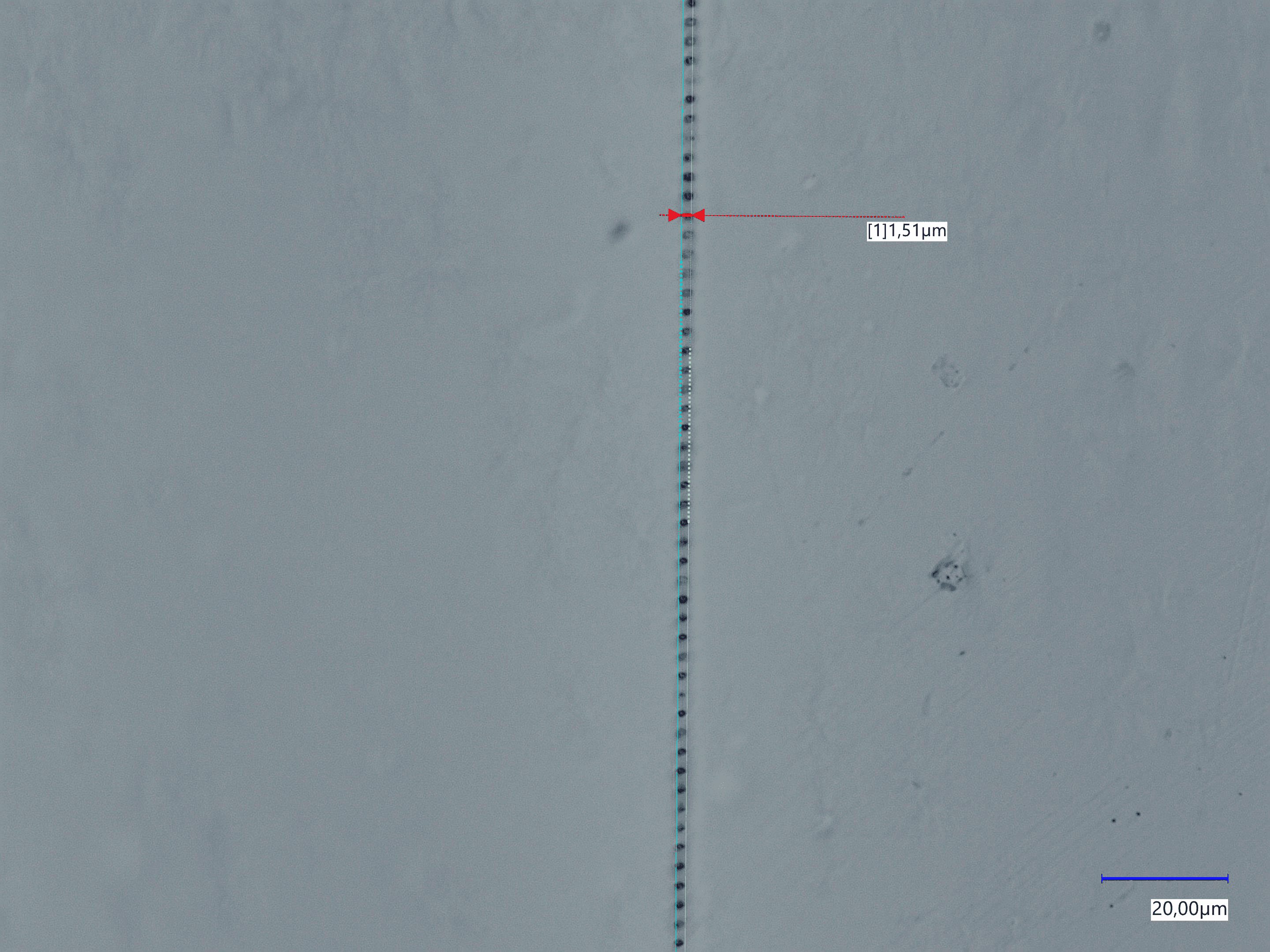
Figure 4. PLA dicing through internal modifications after fracture.

In Figure 4 you can see the edge quality of laser cut PLA sheet close up and the possibility of leaving a small amount of material between adjacent cut outs – in the application of stent cutting, it is the small “struts” between the cut-out material that form the scaffold on which the product relies for successful expansion inside the artery.
Bogusz Stępak, PhD, the R&D Director of Laser Microprocessing at the Fluence ULAL comments on the process:
“Recently a technique of non-ablative, modification-based separation of the material was adopted for bioresorbable polymer cutting. Thanks to the ultrashort pulse duration, which is <250 fs, and using beam shaping, it was possible to cut PLA with negligible kerf (< 1 μm) and no taper which is typically an issue with ablation cutting as well as no HAZ. Moreover, speeds up to 1 m/s can be achieved with no material loss and round shape fabrication capability”.


Figure 5. Cut elements from PLA sheet, using femtosecond pulses and precise optics. Dicing-like process of PLA with non-ablative approach based on the weakening the material along ultrathin line <1 μm. No material loss occurs and the process is the most inert to the material.
This kind of cutting based on laser modification (dicing) and followed by mechanical separating force leaves the material untouched, which ensures biocompatibility. By combining the advantages of ultrashort pulses with innovative beam shaping, the laser-matter interaction is strongly localized along a very narrow (~1 μm) filament.
Laser ablation method
More commonly in laser cutting, the approach is to cut using material removal (ablation). For comparison to the non-ablative method, ULAL manufactured the polylactide structures also via ablation cutting. Stepak continues:
“Very strong and localized absorption in the UV spectral range combined with multiphoton ionization provides the highest precision, reduced HAZ but also high throughput when it comes to free shape polymer cutting”. An important factor is also that post-processing after laser cutting is minimal. Precisely finished, smooth edges of these stent struts are safe for the body reducing risk of injury to the vessel tissues.

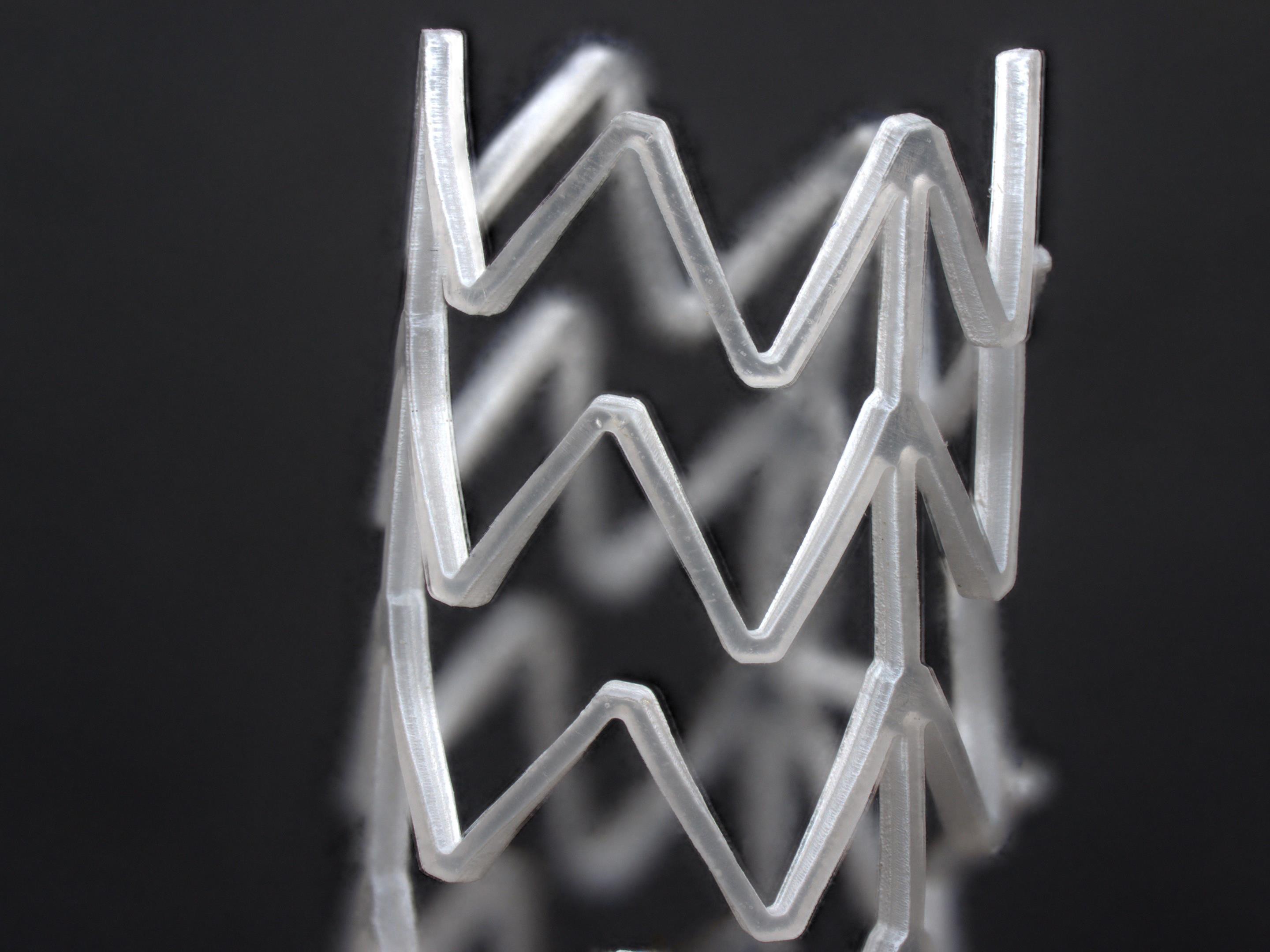
Figure 6. PLA stents processing result of ablation cutting with a femtosecond laser Jasper X0.
This technique is also applicable to metal stents which currently form the vast majority of the total market. Ultrafast lasers are used in metal stent manufacturing where the reduction in burr and HAZ makes a suitable surface for the stent struts which will no longer need deburring (an issue commonly found with nitinol when cut using longer pulse lasers). The minimal impact on the surrounding material is also advantageous for metals as the physical properties remain substantially unchanged. Research developed by Fluence Technology shows that smart machining using femtoseconds does not affect the corrosion resistance of the steel.
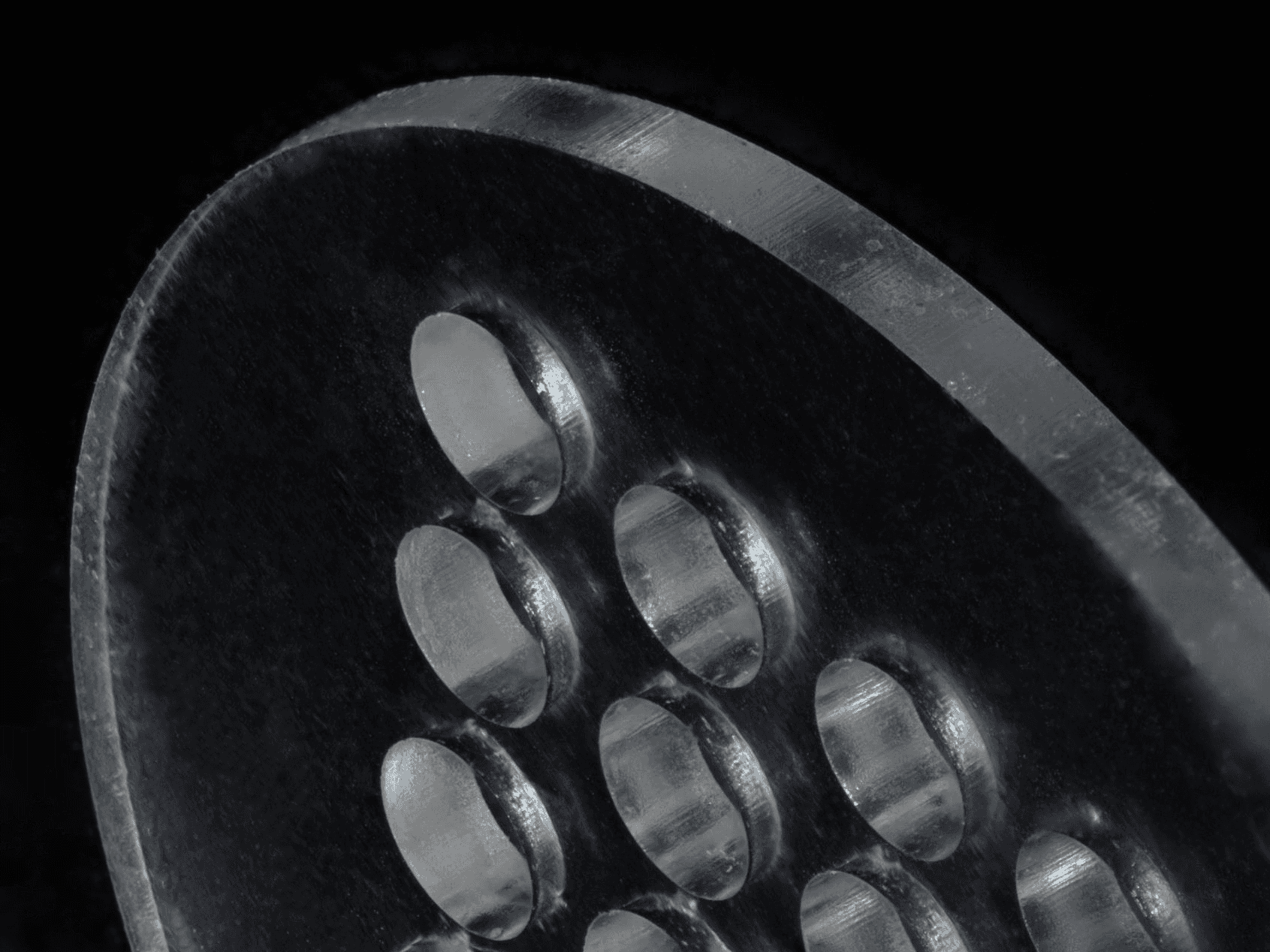

Figure 7. An example shape cut from biodegradable polymer using ultrashort pulses.
Ultrafast lasers not only yield the best results for micro-cutting but also for surface patterning as ultrashort pulses do not damage the material. Surface modification improves the implant integration within the body and may serve several additional functions like antibacterial action or enhancement of the desired cell proliferation.
Conclusion
Vascular and non-vascular stents enable serious medical conditions to be treated with minimal invasive surgery, and are made from durable bio-compatible materials requiring precise laser machining to manufacture. Ultrafast pulsed lasers utilize precise bursts of light to cut stents smoothly and to extremely high tolerances, and they improve implant integration via laser surface patterning. Femtosecond lasers are used to manufacture metal stents and are the only solution for polymer stents. Femtosecond lasers enable high throughput and maximum flexibility, making them the preferred tool for stent manufacturers regardless of material.
References
¹ https://www.who.int/news-room/fact-sheets/detail/the-top-10-causes-of-death WHO fact sheet “The top 10 causes of death” published online 9 December 2020 – accessed January 2023
² https://www.statista.com/statistics/288839/leading-causes-of-death-worldwide/ Statista report released December 2020 – accessed January 2023
³ https://pubmed.ncbi.nlm.nih.gov/8841010/ “Nonvascular stents” by Leslie Vanderburgh, Chia Sing-Ho published in Progress in Cardiovascular Disease Vol 39 Issue 2, 1996
⁴ https://www.alliedmarketresearch.com/stents-market Stents Market by Product, 2021 published December 2021 by Allied Market Research – accessed January 2023